Greetings,
I have a fencing history which begins officially back in my late teens. Of course I played with swords when I was a child, however it was only in my late teens and my first adventure to university that anything official happened with regard to this. This first adventure into the world of swordplay was to join my university fencing club, which, of course was teaching sport fencing. Due to leaving the university, I had to stop attending the club, however after sometime, and finding other areas of swordplay I decided I did not want to go back. This entry discusses the reasons for this.
Now, admittedly my adventure into this form of fencing was not long, relatively. So, there will be those that this was not a real investment or investigation into the art of fencing. However, from what I have seen as it is presented both in the media, but also as it is presented by those who promote this particular art, I believe that my reasons for not coming back or taking it up were well-founded.
The first area I would like to highlight in this particular explanation of my choice is, aims. It would seem that to strike the opponent is the primary aim of what happens in sport fencing. In no place is this more emphasised that in epee where the difference between a "hit" and a "non-hit" is something in the vicinity of 0.25 of a second. The idea of avoiding being struck in the process of striking the opponent seems to have been lost as long as your hit scores first. This seems to go against everything I know and feel about fencing. My belief is that you should be seeking to strike while not being struck yourself, or maybe my focus is a little off.
What has been discussed above focuses on the essential principle of fencing being that it is to defend yourself first and then to strike the opponent. This is the primary principle of fencing and it seems to have been pushed aside for "as long as you strike your opponent first". I will be examining this concept a little further later on with regard to another concept and reason. The principles of fencing seem to be something which are taught to beginners and then pushed aside. The other principle which is most evidently lost is the principle of distance and knowing it. In many pictures of fencers, they are standing on one another's toes, much too close. It would seem then rather than re-adjusting distance the idea is to contort arms etc in order to strike the opponent. If this foundation principle seems to be missing, what else could be?
My next point that I would raise can be described in one word, "ugly". This comprises two areas. The first I have dealt with a little and that is the "anything for a hit" concept. This bothers me a lot as it allows a lot into the "game" which would seem not to fit into an art which was once practiced by gentlemen and ladies. The idea allows a fencer to perform whatever action he can in order to lay his point or edge on to the opponent, rather than sticking with the forms and functions of the weapon which he is using, which leads to the second area "form".
In manuals we see pictures of fencers upright and standing with arms extended. In lessons we see the ...
The rest of this article can be found in Un-Blogged: A Fencer's Ramblings by Henry Walker, which is available in paperback from:
Amazon: https://www.amazon.com/Blogged-Ramblings-Henry-Leigh-Walker/dp/098764470X
Booktopia: https://www.booktopia.com.au/un-blogged-henry-leigh-walker/book/9780987644701.html
Among other places...
It is also available in electronic format (pdf) from: https://buy.stripe.com/fZecP419c7CB9VKeUV
... or direct from the author.
About Me
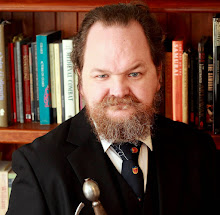
- Henry Walker
- Either an author who fences, or a fencer who tends to write a lot. I found a passion for writing first, then I found fencing. I also found that the pen and the sword work very well together. The pen may be mightier than the sword but together they are much greater.
Monday, January 13, 2014

Friday, December 13, 2013
What is a Master?
Greetings,
There have been questions with regard to the idea of the "master" and "mastery" floating around the internet in various forms for months. Being that I post quite a bit here about fencing and I am known by some, I thought it was time that I set the record straight as to what I think of the concept. Hopefully I will also be able to address some of the mysteries of this word and some of the ideas surrounding it, at least from my point of view. Please remember as you read that this is my own point of view.
The first title of "master" is within the Lochac Royal Guild of Defense, and this is as a Guildmaster, or Guild Master as the case may be. This is a teaching organisation formed within Australia as part of the SCA (Society for Creative Anachronism) in which each rank is tested. This rank is an accepted level of competence in western martial arts, and more so as an established teacher and researcher of western martial arts. The important part here is that it points these individuals out as teachers, not necessarily as great fencers, even though each is in their own particular way in their own particular right. This title is for the most part only recognised within the SCA, and in many ways only in Australia.
In the second instance of the use of the title of "master" it is Master of the School of Historical Defense Arts (SHDA). This is a title adopted for the school to denote the highest rank in the school, and as an administrative title which could be easily replaced with President or Chairman or similar things. For the most part, however this is to indicate the head trainer of the school and in many ways I get tempted to replace it with a more Elizabethan title in "Schole Maister" in order to be specific as to what the title means. It means that I am the highest rank teacher in the school. Once again no claims of anything but being a teacher and researcher.
You will notice that in both instances the words "teacher" and "researcher" are present with regard to the title of "master" in both instances. I think that this is vital. I know I have much to learn, and I am extremely happy about this. Every practitioner should and must keep learning for many reasons, the main answer for all of them is that it is better for the practitioner and also better for others who the practitioner comes into contact with. I make no claims with regards to my titles other than those which have been presented here, and I am quite happy to discuss this if anyone is interested.
The rest of this article can be found in Un-Blogged: A Fencer's Ramblings by Henry Walker, which is available in paperback from:
Amazon: https://www.amazon.com/Blogged-Ramblings-Henry-Leigh-Walker/dp/098764470X
Booktopia: https://www.booktopia.com.au/un-blogged-henry-leigh-walker/book/9780987644701.html
Among other places...
It is also available in electronic format (pdf) from: https://buy.stripe.com/fZecP419c7CB9VKeUV
... or direct from the author.
There have been questions with regard to the idea of the "master" and "mastery" floating around the internet in various forms for months. Being that I post quite a bit here about fencing and I am known by some, I thought it was time that I set the record straight as to what I think of the concept. Hopefully I will also be able to address some of the mysteries of this word and some of the ideas surrounding it, at least from my point of view. Please remember as you read that this is my own point of view.
Myself as a "Master"
In some circles I am referred to as a "master" of what I do. I thought that it would be most useful to address my own position before discussing a more general pattern and thought process. In my particular case there are two times where I might be referred to by the title master. It will be noted that in each circumstance these are with regard to a specific field of expertise and are specific to the setting in which they are found. Neither has any claims of anything more grand or over-reaching.The first title of "master" is within the Lochac Royal Guild of Defense, and this is as a Guildmaster, or Guild Master as the case may be. This is a teaching organisation formed within Australia as part of the SCA (Society for Creative Anachronism) in which each rank is tested. This rank is an accepted level of competence in western martial arts, and more so as an established teacher and researcher of western martial arts. The important part here is that it points these individuals out as teachers, not necessarily as great fencers, even though each is in their own particular way in their own particular right. This title is for the most part only recognised within the SCA, and in many ways only in Australia.
In the second instance of the use of the title of "master" it is Master of the School of Historical Defense Arts (SHDA). This is a title adopted for the school to denote the highest rank in the school, and as an administrative title which could be easily replaced with President or Chairman or similar things. For the most part, however this is to indicate the head trainer of the school and in many ways I get tempted to replace it with a more Elizabethan title in "Schole Maister" in order to be specific as to what the title means. It means that I am the highest rank teacher in the school. Once again no claims of anything but being a teacher and researcher.
You will notice that in both instances the words "teacher" and "researcher" are present with regard to the title of "master" in both instances. I think that this is vital. I know I have much to learn, and I am extremely happy about this. Every practitioner should and must keep learning for many reasons, the main answer for all of them is that it is better for the practitioner and also better for others who the practitioner comes into contact with. I make no claims with regards to my titles other than those which have been presented here, and I am quite happy to discuss this if anyone is interested.
"The Master"
Hopefully in this part of the discussion I may be able to shed some light on what it means to be a "master" of western martial arts. As far as I am concerned the following statement is accurate: A Master ...The rest of this article can be found in Un-Blogged: A Fencer's Ramblings by Henry Walker, which is available in paperback from:
Amazon: https://www.amazon.com/Blogged-Ramblings-Henry-Leigh-Walker/dp/098764470X
Booktopia: https://www.booktopia.com.au/un-blogged-henry-leigh-walker/book/9780987644701.html
Among other places...
It is also available in electronic format (pdf) from: https://buy.stripe.com/fZecP419c7CB9VKeUV
... or direct from the author.
Wednesday, November 13, 2013
Saviolo's Weapons
Greetings
I took it upon myself to examine the depictions given by Vincentio Saviolo, or at least his artist, of the two combatants and their weapons in order that I might discern the length of the weapons though proper by Saviolo for the practice of his art. While Saviolo gives no indication of the length of his weapons in his text, nor gives any particular preference to the length of the weapon desired by him, the depiction of the weapons gives some idea of what these weapons should be like. The following details the short bit of research that I embarked upon in the search for the weapons of Saviolo.
The first question is why? Or more to the point, why bother? To this I answer that having some idea of the length of the weapons is useful due to the effect which the length of a weapon has upon the combat in which it is involved. Clearly a weapon's make-up will have an effect on the combat. Weapons designed for cutting thrust less well, and vice versa. Thus gaining some idea of the length of the weapons in Saviolo will assist in the understanding of his combat, along with the proportion of the weapon to the user, which also has an effect.
What needs to be noted and accepted is that there are some inaccuracies that need to be taken into account. These inaccuracies will become apparent because of the method used and also some of the data collected from external sources. However, even with these factors the results of this examination are useful as it will give at least an approximate answer to the question.
First of all the "average" height of a male of the Renaissance period was researched in order to give some way to transfer the data from the page and into a "real world" setting. By the research performed on this particular subject the average height was established at approximately 5'5" or approximately 165-cm. The second part was to decide on what images to use to gain the data. So four images were selected, the first four given in the manual. Thus there is the depiction of the three single rapier and one from rapier and dagger. With this information gained it was then possible to start examining the images.
All of the images were scaled so that they were all from a common source. These images were then ...
The rest of this article can be found in Un-Blogged: A Fencer's Ramblings by Henry Walker, which is available in paperback from:
Amazon: https://www.amazon.com/Blogged-Ramblings-Henry-Leigh-Walker/dp/098764470X
Booktopia: https://www.booktopia.com.au/un-blogged-henry-leigh-walker/book/9780987644701.html
Among other places...
It is also available in electronic format (pdf) from: https://buy.stripe.com/fZecP419c7CB9VKeUV
... or direct from the author.
I took it upon myself to examine the depictions given by Vincentio Saviolo, or at least his artist, of the two combatants and their weapons in order that I might discern the length of the weapons though proper by Saviolo for the practice of his art. While Saviolo gives no indication of the length of his weapons in his text, nor gives any particular preference to the length of the weapon desired by him, the depiction of the weapons gives some idea of what these weapons should be like. The following details the short bit of research that I embarked upon in the search for the weapons of Saviolo.
The first question is why? Or more to the point, why bother? To this I answer that having some idea of the length of the weapons is useful due to the effect which the length of a weapon has upon the combat in which it is involved. Clearly a weapon's make-up will have an effect on the combat. Weapons designed for cutting thrust less well, and vice versa. Thus gaining some idea of the length of the weapons in Saviolo will assist in the understanding of his combat, along with the proportion of the weapon to the user, which also has an effect.
What needs to be noted and accepted is that there are some inaccuracies that need to be taken into account. These inaccuracies will become apparent because of the method used and also some of the data collected from external sources. However, even with these factors the results of this examination are useful as it will give at least an approximate answer to the question.
First of all the "average" height of a male of the Renaissance period was researched in order to give some way to transfer the data from the page and into a "real world" setting. By the research performed on this particular subject the average height was established at approximately 5'5" or approximately 165-cm. The second part was to decide on what images to use to gain the data. So four images were selected, the first four given in the manual. Thus there is the depiction of the three single rapier and one from rapier and dagger. With this information gained it was then possible to start examining the images.
All of the images were scaled so that they were all from a common source. These images were then ...
The rest of this article can be found in Un-Blogged: A Fencer's Ramblings by Henry Walker, which is available in paperback from:
Amazon: https://www.amazon.com/Blogged-Ramblings-Henry-Leigh-Walker/dp/098764470X
Booktopia: https://www.booktopia.com.au/un-blogged-henry-leigh-walker/book/9780987644701.html
Among other places...
It is also available in electronic format (pdf) from: https://buy.stripe.com/fZecP419c7CB9VKeUV
... or direct from the author.
Sunday, October 13, 2013
Rapier and Cloak - A Bluffer's Guide
Introduction
While there
will be reference to three manuals of the Renaissance period, this
investigation is more of an introduction to the use of the cloak, based on the
general principles found in these manuals. This is designed to give you and
understanding of how the cloak operates so that you are able to use it in a
competent fashion. More specific lessons on particular masters are of benefit
to study however having a foundation in the use of the cloak will make these
more in-depth lessons more useful.
The rapier
and cloak combination is one of the more difficult to use, but it can also be
one of the most satisfying if performed correctly. There is an inherent amount
of flair in the use of the cloak due to the nature of the combination, and much
care needs to be applied in its use. There are those who do not like this
particular combination and those who like it very much. This is up to personal
preference. As with other combinations, there is much, which can be said about
it, from the holding of the cloak, to its use.
Source Material
The source
material which is presented in this discussion uses as close to primary
materials as possible. Issues with regard to this particular element of the
discussion will be noted below in the bibliographic discussion. Further to this
these primary materials will be in a distilled form, extracting the most
important parts from each and using this as the framework upon which the
investigation is based.
This
examination focusses on three masters works with regard to their use of the
sword and rotella. Chronologically they are Agrippa’s Trattato di Scientia d’Arme of 1553, Di Grassi’s His True Art of Defence of 1594, and
finally Capo Ferro’s Gran Simulacro
dell’arte e dell’uso della Scherma of 1610. Most of the information found
in these manuals is from the point of view of matched weapons i.e. sword and
cloak versus sword and cloak, but the information found within can also be
applied to other situations with a little modification. The best and most in-depth
discussion comes from di Grassi. The other two give basic instruction and ideas
about how to use the cloak.
Bibliographical Issues
In the
study of the sword and cloak there are some bibliographical issues that need
to be taken into account before any real study can be achieved. One of the
first things is with regard to the weapon, the second with the device in the
other hand, and lastly there is a language issue that needs to be taken into
account. These need to be addressed in some fashion before a real study can
take place.
First of
all is the language. Of the four manuals which have been used for this
investigation only one of these is written in English, that of Di Grassi’s 1594
manual. Even that is actually a translation of the 1570 Italian manual of the
same name. All of the others have been translated from Italian to English in
the modern period, by some very knowledgeable people admittedly, but there is
still the interference of the translation of the language to take into account.
Further to
this language issue, and directly related is the names of the devices being
used, the sword and the rotella. Often “spada” in Renaissance manuals is
translated as “rapier” where in actual fact it simply means “sword”. This
investigation is more focused on the use of the rapier and cloak and as such
the words "sword" or “rapier” will be used in reference to the weapon used.
As for the
cloak itself, there is some discussion and confusion as to whether it is more
appropriately called a cape or cloak. The Italian manuals use the word “cappa”
while di Grassi uses “cloak”, in various spellings. In some ways this is a
question of the object itself rather than a bibliographic issue, as is
presented below. For the purposes of this investigation the generic “cloak”
will be used.
Cloak or Cape?
There are
many different types of cloak and cape, depending on size, weight and
construction, and the choices between these will be of a personal nature. The
main difference between a cloak and a cape is the size, the cloak being larger.
A larger cloak will protect more, but it will be heavier and easier to
entangle. A smaller cloak will protect less, but will be lighter and move
faster. In general the item will be called a cloak for convenience.
The cloak should be constructed
of a material which will resist tearing but should also be light enough that it
can still be used. The use of the cloak should be considered in its
construction. It is advised that cloaks of various constructions and sizes be
used before one is constructed in order to figure out which will suit you the
best. The masters do not actually describe the size or construction of the
cloak and thus it must be inferred from images or what they write. There is an
equal chance that they could be talking about a cape or a cloak. Simple advice
dictates that the best cloak to use for the techniques of the master is one
which is appropriate to them and also appropriate to you.
Holding the Cloak
The cloak
may typically be held in one of three different ways, wrapped around the arm,
draped over the arm, or held in the hand. Each one of these has advantages and
disadvantages, which need to be considered. Wrapping the cloak around the arm
will allow for the greatest control, but will limit the range and agility of
the cloak. Draping the cloak over the arm will allow for a similar amount of
control as wrapping, but will give the cloak more range and agility. Holding
the cloak in the hand, gives the cloak the best range and agility, but the
least amount of control, it is also the easiest to move the cloak from one
position to another by this method, and also to throw the cloak.
The choice
of how the cloak is held will determine what is possible. Rather than focusing
on a single method of use a more broad approach will be used. The cloak, as
instructed by di Grassi may be wrapped about the arm, held in the hand or even
simply placed folded over the arm. This allows more utility in the use of the
cloak rather than restricting it. The best thing to do is to hold the cloak
however is most suitable for what you want to do with it at the time.
Wards
Just as the
method of holding the cloak will determine what is possible with it, so too
will the ward play a part. The position of both the cloak and rapier will
determine what you are able to do with both of them and what sort of access you
have to both offensive and defensive actions. In order to gain an appreciation
for the options available it is useful to examine what the Renaissance masters
had to say about the ward.
Agrippa has
his cloak wrapped around the hand, and also used in combination with the
dagger. The cloak is kept low and the rapier adopts a high or low position. He
also depicts taking the cloak off the shoulder and shows it to be about thigh
length. This depiction of the cloak is useful for sizing as to usage. Both the
sword and cloak are placed in a terza position and centralised.
Giacomo di
Grassi depicts only one ward but describes three wards in his text. Each one of
the wards moves the position of the weapon rather than the position of the
cloak, depending on the ward. The cloak however is positioned extended from the
body, but also with the arm bent in order to cover the body with the position
of the cloak for all of the wards. This extended position is similar to that ...
The rest of this article can be found in Un-Blogged: A Fencer's Ramblings by Henry Walker, which is available in paperback from:
Amazon: https://www.amazon.com/Blogged-Ramblings-Henry-Leigh-Walker/dp/098764470X
Booktopia: https://www.booktopia.com.au/un-blogged-henry-leigh-walker/book/9780987644701.html
Among other places...
It is also available in electronic format (pdf) from: https://buy.stripe.com/fZecP419c7CB9VKeUV
... or direct from the author.
Bibliography
Agrippa, C. (2009) Fencing:
A Renaissance Treatise, Translated by Ken Mondschein, Italica Press, New
York, USA
Di
Grassi, G. (1594) His True Art of Defence,
Temple Barre at the Signe of the Hand and Starre, translated from the 1570
manual by I. G., London, UK
Kirby, J. (2012) Italian
Rapier Combat: Ridolfo Capo Ferro, Frontline Books, Yorkshire, UK
Friday, September 20, 2013
di Grassi's Rapier and Cloak - The Second Part
Greetings,
This is an unusual case, as there is a second part to the most recent blog which has been posted on di Grassi's Rapier and Cloak. Many people who read about di Grassi's Rapier and Cloak either only read the first part found in his manual or read on the second part. In order to understand the proper and complete operation of the use of the cloak it is necessary to have both. Thus what is presented below is di Grassi's information about the use of the cloak from "The Second Part intreatinge of Deceites and Falfinges of Blowes and Thruftes".
As with the previous presentations of period works, all of the spelling and punctuation has been kept as it was in the original. All of the previous mentions of the conditions of the previous presentations of di Grassi's work thus also apply to this one. Enjoy.
Cheers,
Henry.
Of Sword and Cloke, or Rapier and Cloke
This is an unusual case, as there is a second part to the most recent blog which has been posted on di Grassi's Rapier and Cloak. Many people who read about di Grassi's Rapier and Cloak either only read the first part found in his manual or read on the second part. In order to understand the proper and complete operation of the use of the cloak it is necessary to have both. Thus what is presented below is di Grassi's information about the use of the cloak from "The Second Part intreatinge of Deceites and Falfinges of Blowes and Thruftes".
As with the previous presentations of period works, all of the spelling and punctuation has been kept as it was in the original. All of the previous mentions of the conditions of the previous presentations of di Grassi's work thus also apply to this one. Enjoy.
Cheers,
Henry.
Of Sword and Cloke, or Rapier and Cloke
For to diſceyue the enimie with the cloake, it is neceſſarie
to know how many waies in may ſerue the turne, and to be skilfull how to fould
it orderly about the arm, and how to take aduantage by the largenes thereof:
and farther to vnderſtand how to defend, and how to offend and hinder the
enimie therewith, becauſe it fales not out alwaies, that men fight with their
cloake wrapped about the arm, and the ſword in hand, Therefore it is the parte
of a wiſe man, to knowe alſo how to handle the cloake after any other manner.
Wherefore
one may get the aduãntage of
the cloke, both when it is about his bodie, and when it is folded about his
arme: The cloke being about the arme in this maner. When it chaunceth any man
to bicker with his enimie, with whom he as at poynt to ioyne, but yet happelie
weareth about him at that inſtant no kind of weapon, whereas his enimie is
weaponed, & threateneth him, then by taking both ſides of the cloake as
neare the coller as is poſsible, he may draw it ouer his owne head, and throwe
it at his enimies face, who then being intanglerd and blinded therewith, may
either be throwen downe, or disfurniſhed of his weapon very eaſely by him that
is nimble, eſpecially if he haue to deale againſt one that is ſlow. A man may
after an other manner take the aduantage of the cloake which the enimie
weareth, by taking with one hande both ſides thereof, neere the coller; which ſides being ſtrongly holden, cauſe the cloak to be a ginne or ſnare about the
enimies necke, the which ginne being violently haled, and plucked with one
hande, he may fo forciblie ſtrike him with the other on the face or viſage,
that he will goe neere hande to breake his necke.
There be
manie other waies whereby one may preuaile with the cloake, to the greateſt
parte whereof, men of meane iudgement may eaſely attaine vnto. Therefore when
one hath his cloake on his arme, and ſword in his hand, the aduantage that he
getteth thereby, beſides warding of blowes, for that hath bene declared in the
true arte is, that he may moleſt his enimie by falſing to fling his cloake, and
then to flinge it in deed. But to falſe the flingyng of the clok is verie
daungerous, becauſe it may not be done but in long time. And the verie flinging
of the cloake, is as it were a preparation to get the victorie, and is in a manner
rather true art then deceit, cõſidering
it is don by the [ſtrenght] ſtreyght or ſome other ſhorte line: neither for any
other cauſe is this the rather here laide downe, in deceite, then before in
true arte, then for that when one ouercometh by theis meanes, he ſeemes not to
conquere manfully, becauſe he ſtrikes the enimie before blinded with the
cloake, wherefore when one mindeth to flinge his cloake, he may either do it
from and with his arme, or elſe with his ſword: and in ſo doing it is
neceſſarie, that he haue not the cloake too much wrapped about his arme: I ſaie, not aboue twice, neither to hold it ſtreight of faſt with his hande, that
thereby he may be the better able when occaſion ſerueth to fling it the more
eaſelie. If therefore he would fling it with his arme, and haue it goe with ſuch fury, and make ſuch effect as is required, he muſt of force ioyne to the
flinging thereof the increaſe of a pace, on that ſide where the cloake is, but
firſt of all he muſt incounter, either finde, either ſo enſure the enimies ſword, that by the meanes of the increaſe of that pace it may do no hurte.
And it is
requiſite in euerie occaſion, that he finde himfelſe to ſtand without: and when
either an edgeblow or a thruſt comes, be it aboue or in the middle, as ſoone as
he hath warded it with his ſword, he ſhall increaſe a pace and fling his
cloake, how ſoeuer it be folded, either from the coller, either from any other
parte, or elſe to hale it off from his ſhoulder, although it bee on his ſhoulder: and in this order it is eaſelie throwne, & is thereby the more
widned in ſuch ſort, that the enimie is more entangled and ſnared therewith.
Concerning
he flinging of the cloake with the ſword, I ſaie, it may be throwen either with
the point, either with the edge: with the poynt when one ſtandeth at the lowe
warde with the right foote behinde, an the cloake before: In which caſe the
cloake would be well and thicke doubled and placed on the arme, but not
wrapped. And in ſteed of driuing a thruſt with the poynt which ſhalbe hidden
behinde the cloake, he ſhal take the cloake on the poynt of the ſworde, and
with the increaſe of a pace, force it at the enimies face. And in this manner
the cloake is ſo forciblie, and ſo couertly deliuered and flinged, that the
enimie is neither a ware of it, neither can avoyde it, but of force it lighteth
on his face, by meanes whereof, he may be ſtroken at pleaſure in any parte of
the bodie.
The cloake
may be flong or throwen with the edge of the ſworde, when one ſtandeth at the
lowe warde, with the poynt of the ſword turned backewardes, one the left ſide
and the cloake vpon it, folded at large vpon he arme vp to the elbowe: but not
faſt wrapped about it, and whileſt he falſeth a reuerſe, he may take the cloake
on the edge of the ſword and fling it towards the enimie, and then ſtrike him
with ſuch a blow as ſhal be then moſt fit for his aduantage deliuer.
Manie other
deceites there might be declared of the cloake, aſwell of flinging as of
falſing: but becauſe I thinke theſe to be ſuſſicient for an example to frame
manie other by, I make an ende.
Friday, September 13, 2013
Giacomo di Grassi's Rapier and Cloak
Greetings,
The Rapier and Cloake
The manner how to handle the Cloake
An Aduertifement concerning the warding and wrapping of the Cloake.
The hurt of the high ward at Rapier and Clok.
The defence of the thruſt, right and reuerſed blowes of the high warde at
Rapier and Cloake.
The hurt of the broad warde, at Rapier and Cloake.
The defence of the broad warde, at Rapier and Cloake.
Of the hurt of the lowe warde, at Rapier and Cloake.
Of the defence of the lowe Warde at Rapier and Cloak.
What appears below is a transcription of Giacomo di Grassi's Rapier and Cloak from the 1595 edition of "His True Art of Defence". I have not included the image from the source, but have placed a marker in its place, but the spelling and punctuation is as close to the original as could possibly be transcribed. Enjoy.
Cheers,
Henry.
The Rapier and Cloake
That I maie continue in the weapons which are moſt vſuall
and moſt commonly worne: After the Dagger, I come to the Cloake: The vſe
whereof was firſt founde out by chaunce and after reduced into Arte. Neither
was this for any other cauſe then for that nature doth not onely delight to
inuent things, but alſo to preſerue them being inuented. And that ſhee may the
better doe it, ſhee taketh for her helpe all thoſe things that are commodious
for her. Wherefore, as men in diuers accidẽts haue caſually proued, that the Cloak helpeth greatly (for as
much as they are to weare it daily) they haue deuiſed how they may behaue
themſelues in all that, in which the Cloak may ſerue their turne. Which
accidents, becauſe they are infinite, & do not generally ſerue for our
purpoſe, I wil reſtraine my ſelfe and ſpeake of thoſe onely which appertaine to
this Arte, the which are ſuch and ſo effectuall, that they may greatly helpe to
the obteining of ſafe victorie, if they happen to be placed in ſuch a man as
knoweth howe to vſe and handle them. And for that in true Arte it doth little
preuaile, the vſe thereof being in a manner altogether deceitfull, I was
reſolued to put ouer all this to the treatiſe of Deceit, as vnto his proper
place. Notwithſtanding, to the ende it may not ſeeme ſtrange to any man, to
read nothing of the Cloak in al the handling of true Arte, I am minded to laye
downe a certaine fewe blowes in the accuſtomed wardes, referring the more
abundant handling thereof vnto the treatiſe of Deceit.
The manner how to handle the Cloake
As the Cloake in this Arte, hath in it three things to be
conſidered, to witt: length, largeneſſe, and flexibilitie: ſo it is to be wayed
how far each of theſe will ſtretch, to ſerue the turne. Of which three, one
doth properly belong vnto it, and that is flexibilitie, which maie neither be
encreaſed nor diminiſhed: The other two, may receiue alteration. But yet it is
at any hande to be prouided, that theſe two alſo be not diminiſhed. For the
Cloake is no ſtrong thing, which of it ſelfe may withſtand the blowes of the
weapon, being directly oppoſed againſt them.
And therefore he ſhall proue
himſelfe but a foole who truſting to the Cloth wrapped about his arme, doth
encounter any right edgeblowe therewith. For ſeeing the Cloake is not flexible
in that parte (which flexibilitie is his onely ſtrength) litle preuaileth
either length or largenes, wrapped about a ſolide ſubſtãce. But being oppoſite in that parte thereof, where it hath
length, largenes and flexibilitie (which is from the arme downwardes) it is
auailable: for all three being ioyned togither will warde any edgeblow: which
manner of warding ſhould not be ſo ſure, if the cloake had onely length and
flexibilitie: for hauing behind it litle ayre, which is the thing that doeth ſtrengthen it, it may eaſily be beaten too, and cut, by any great blowe.
Therefore, if a man haue ſo much lieſure, he ought to wrapp his Cloake once or
twice about his arme, taking it by the Cape or coller, and folding his arme
therein vp to the elbowe, and therewithall to warde all edgeblowes from the
flanke thereof downwardes, aſwell on the right ſide, as on the left ſide,
alwaies remembring to carrie his foote differing from his arme, for the
auoyding of danger that may riſe by bearing his legg on the ſelfeſame ſide,
neere his cloak knowing the Cloak wardeth not when there is any harde ſubſtance
behind it.
Thruſtes
alſo themſelues, may be giuen without if with the Cloake, or with the hand in
the Cloake, the enimies ſworde be beaten off, one handfull within the poynt
thereof. For the edge hauing but ſmall power in that caſe, is not hable in ſo
litle time, to cut the hand. The blowes alſo, aſwell of the poynt, as of the
edge, from the flanke vpwardes, ought to be warded with the ſworde; For to lift
the arme ſo high being burdened with the waight of the Cloak, which naturally
draweth downwards, as it is violent thing it is alſo perilous, leaſt the arme
be placed in ſteede of the Cloake, and ſo reſt wounded, or left the arme or
Cloake be placed before the eyes, which by that meanes remaine blinded.
An Aduertifement concerning the warding and wrapping of the Cloake.
There are two waies (in theſe daies) to wrappe the Cloake,
the one is, when one hauing leaſure taketh the Cloake by the cape or coller,
and ſo fouldeth it once or twice about his arme: The other is, as often times
it falleth out, when letting the Cloke fall downe from the ſhoulder, it is
happelie taken by one ſide, & ſo is turned once or twice about the arme.
Nowe as
concerning ſtriking, a man ought in the handling of theſe weapons as he would ſtrike, firſt to increaſe and carrie the one foote neere to the other, and then
farther to increaſe a halfe, not a whole pace, as in other weapons: For at
theſe weapons, it is daungerous leaſt (making a whole pace) he entangle his
foote or feete in the Cloake and fall downe therewith. And this muſt be taken
heede of, in the firſt and ſecond foulding, but principallie in the ſecond,
becauſe in it the Cloake is longer, and therefore doth more eaſilie touch the
earth & intangle his feet: In the firſt fold, although the cloak touch not
the earth, becauſe the arme doth orderlie beare it, yet by reaſon of werines,
the arme falleth & cauſeth the foreſaid effect.
[Insert image here]
The hurt of the high ward at Rapier and Clok.
In theſe maner of weapons, as in others, I will frame three
wardes: The firſt by the foreſaid reaſons, ſhall be the high warde, which in
theſe kind of wepons more then in anie other deſerue the name of a ward. For
the Rapier (ſomething bending) wardeth as farre as the clok hand, and the
clokhand down to the middle legg: foe that in this ward a man is warded from
the top of the head down to the foot.
Therefore ſtanding at this warde, whether it be with the right foote before or behinde,
he may deliuer a thruſt with the encreaſe of a halfe pace forwards, ſtaying
himſelfe in the lowe warde.
The right
edgeblowe ought to be deliuered from the wriſt without any motion of the feete,
reſting in the lowe warde: but in deliuering of the reuerſe, it is neceſſarie
to fetch a whole pace, and in a manner ſtraight. If the enemie warde it with
his ſworde, then the encounter of the enemies ſworde, muſt be ſtayed ſuddenly
with the Cloake-hand in the firſt part thereof, and a thruſt be deliuered
vnderneath, with the encreaſe of a ſtraight pace.
The defence of the thruſt, right and reuerſed blowes of the high warde at
Rapier and Cloake.
For the better auoyding of the hurts which proceede from the
high warde: it is neceſſarie to ſtande at the lowe warde, in the which the
thruſt is to be warded iiij. manner of waies, to wit: either with the ſingle ſworde within and without, either with the ſingle Cloake within and without. If
with the ſingle ſword within, it is requiſite to fetch a compas with the foot
backwards on the right ſide. In like caſe to turne the bodie the ſame waie, to
the intent, to carrie it out of the ſtraight lyne (in which the blowe commeth)
and to driue a reuerſed thruſt at the face, the which thruſt in ſuch order
deliuereth is the longeſt that is, and ſuch a one, as thereby the hurt is not
onely voyded, but alſo at the ſelfeſame time, the enimie is ſtroken in the
face. If it chaunce, that the ſworde be encountered without then it is not
onely profitable but alſo neceſſarie, to ſtep forwardes and with the Cloake to
encounter the enimies ſworde in the firſt parte thereof. And recouering his
owne ſworde, to diſcharge a thruſt vnderneath with the encreaſe of the right
foote. And although it be laide down for a rule, not to vſe a whole pace in
handling of the Cloake, this ought to be vnderſtoode in ſtriking, in the which
(whileſt one endeuoureth to ſtrike with his ſworde) it may be forgetting the
Cloake, his arme may fall, by meanes whereof he may ſtumble againſt it: but in
warding, it doth not ſo happen. For nature being carefull to defende her ſelfe
(at euery litle danger) lifteth vp both her armes, yea, although they be
oppreſſed with waight and burden.
Wherefore
it is not be feared, that in warding this thruſt, his hand will be drawen downe
by the waight of the Cloake.
The ſame
wardes and defences may be vſed with the ſingle Cloake, in which, one muſt
likewiſe ſtrike, with the encreaſe of the right foote. This maner of warding is
not verie ſure, and therefore it requireth great actiuitie and deepe iudgement,
conſidering he ought to beare his Cloake and arme ſtretched out before him,
& to marke when the enimies ſwords poynt ſhall paſſe within the Cloakhand
one handful or litle more: and not to ſuffer it to paſſe farther, but to beat
it off, and encreaſing to diſcharge a thruſt vnderneath; with the encreaſe of a
pace with the right foote. But as I haue ſaide, this manner of warding hath
litle certaintie and great perill in it, and yet it ſtriketh well, if it be
done in ſhort time.
The right
edgeblowe may in like manner be warded with the ſingle ſworde or cloake: but
when it cõmeth aloft, it ſhall not be
commodious to encounter it with the ſingle cloake, for by that meanes the eyes
blinde themſelues. How much this importeth, let others iudge. But, when the ſaide right blo we commeth in manner lowe, ſo that it may well be warded,
keeping the enimie in fight, then the cloake is to be oppoſed, with the
encreaſe of the left pace, &; preſently thereupon, a thruſt to be
diſcharged, with the encreaſe of a right pace.
When one oppoſeth the ſingle ſworde
againſt the right blowe, he muſt driue a thruſt at the face, & fetch a
compas with his hinder foote, cutting the face with the ſaide thruſt and ſtaie
himſelfe in the broad ward. The ſelfe fame muft be done, when he defendeth him ſelfe with both together, to wit, with the ſword and cloake.
Againft the reuerſed blowe, the ſelfe ſame manner is vſed in warding to wit, either with the one, or with the
other, either with both ioyned together.
With the cloake, by the encreaſe of
a pace, and by encountring the enimies fworde, as farre forwards as is
poffible, that thereby it may be done the more commodioufly, deliuering a
thruft therewithall vnderneath, with the encreafe of a pace of the right foot.
With the ſingle Rapier, the ſame
defence may ſuffice, which is layde downe in the treatiſe of the ſingle Rapier,
and that is, to diſcharge a thruſt at the enimies thigh, the which withſtandeth
the full of the reuerſed blowe.
Nowe, if one would defend himſelfe
with both theſe weapons ioyned togither, he muſt encreaſe a pace with the right
foot, &; ſtaying the enimies ſword with his cloake, recouer his owne ſworde
nimbly, and then deliuer a thruſt with the encreaſe of a pace of the right
foote.
The hurt of the broad warde, at Rapier and Cloake.
In this warde, as well as in others, a man may both thruſt
and ſtrike, yet diuerſly: For he may not diſcharge a right edgeblowe beneath.
And the reuerſe is manifeſtly dangerous: So that, when he is to deliuer it, he
ought to perfourme in this order.
Firft, he ſhall driue a thruſt, fetching a compas with his hinder foote, that by that
meanes it may reach the farther, then ſuddenly (without mouing of himſelfe) he ſhall diſcharge a right edgeblowe, from the wriſt, after the which preſently,
the reuerſe muſt followe, with the encreaſe of a pace of the right foote: and
further, muſt follow on with the thruſt alreadie prepared, and increaſe the
like pace.
The defence of the broad warde, at Rapier and Cloake.
To him that will ſafely warde himſelfe from the hurt of the
broad warde, it is requiſite, that he ſtand at the lowe warde. And when the
thruſt vnderneath hand commeth, he ſhall thruſt at the face, fetching a compas
with his hinder foote towardes the right ſide, with which kinde of thruſt, it
doth lightly happen that the enimie is hit in the face: but if it faile, yet
for all that, the enimie obtaineth not his purpoſe, in the diſcharge of the
thruſt of the broad warde: For by deliuering the thruſt vnderneath, and
compaſſing of the hinder foote, the bodie is carried out of the ſtraight lyne:
So that, as ſoone as the thruſt is deliuered at the face, and the foote to be
plucked backe, ſetling in the broad warde. To warde the right and reuerſed blows,
there is a thruſt to be giuen at the thighes or ſome other place that may moſt
hinder them, in the verie fame time that ſuch blowes are in their circle or
compas. Although I do not beleue that there is any man ſo foolifh, that (in his
warde) will deliuer a reuerſe onely.
Of the hurt of the lowe warde, at Rapier and Cloake.
This warde is ſo ſtraight and perilous, that no man ought to
aſſure himſelf to deliuer an edgeblow in any manner of waie. For vnder any of
them he may be eaſily ſtrooken, and each of them may eaſily be warded with the
Cloake. Therefore, he muſt diligently take heed, that he thruft onely, the
which muſt neuer be diſcharged before the enimies ſworde be found, and then as
farre forwardes as is poſſible. So then finding it, he may thruſt both within
and without. Neither is there in this thruſt any other aduantage to be gotten,
then to ſteale a halfe pace vnwares of the enimie, which may be done verie
commodiouſly, conſidering the cloak occupieth the enimies ſight, And hauing
drawen this halfe pace, and found the enimies ſword, he muſt encreaſe an other
halfe pace forwardes, and ſtrike him, coſting and forcing the enimies ſworde,
on that ſide where it may do no hurt. And this maie be vſed both within and
without: But he whome it pleaſeth, and who doubteth not to be entangled in the
Cloake, maie (finding himſelfe within) carrie his left foot making a pace
therewith, and betweene his cloake &; his ſworde, cloſe the enimies ſworde,
and deliuer a thruſt with the encreaſe of a pace of the right foote: And
finding the enimies ſword without, he may vſe the ſelfe ſame encreaſe and
thruſt. But if he finde not the enimies ſword, he may deliuer a litle edgeblow
from the wriſt of the hand, in ſuch ſorte, that the enimy haue no leaſure to
enter in: And hauing found the Sword, to diſcharge a right or ſtreight thruſt,
or elſe not voyding the enimies ſword by the encreaſe of a left pace, to driue
a thruſt from aloft downwards, lifting vp the fiſt ſomewhat high, and
deliuering it with the increaſe of a pace of the right foote.
Of the defence of the lowe Warde at Rapier and Cloak.
To the ende a man may warde himſelfe from all the thruſtes
reckned in the hurtes of this warde, he neither ought, neither happely may doe
any other thing then voide his bodie from the ſtraight line, wherein the enimie
purpoſeth to ſtrike, making a left pace forwards, ſomewhat thwarting or
croſsing and ſtriking the enimie ſafely. The which doth not ſo chaunce, when
one defendeth himſelfe either with the ſingle Cloake or ſingle Rapier: For whileſt
he aſſaileth to defend himſelf, he cannot ſtrike. And if the enimie do firſt
moue, and ſtrike ſtraight, in the which, his ſworde is not carried much
outwardes (and it hardly done,) I ſaie, the enimie may be ſtealing of half
paces, diſcharge a thruſt perforce. And therefore he muſt take heede, that (as
the enimie moueth) he encreaſe a ſlope pace (by the meanes voyding the hurt)
then a thwart or croſſing pace next, with the encreaſe of a ſtraight pace of
the right foote, to ſtrike the enimie with a thruſt vnderneath.
This may ſuffice, for the handling of theſe weapons as much as appertaineth to ſure
plaie. All that which remaines is reſerued to the treatiſe of deceit, in which
place ſhall be ſeene manie handlings of the cloake no leſſe profitable then pleaſant.
Tuesday, August 13, 2013
Move Slow, Learn Fast
Greetings,
The meme of moving slow and learning fast is one which has been around for ages. For the most part it is a principle which I like and can easily relate to, however I will be presenting this idea from a slightly different point of view as my main focus will be fencing. Odd? A little in some ways, but as will be demonstrated below, the slow movement principle applies more to the use of the sword than many would think.
Fencing for the most part is a quick, energetic form of combat or sport, depending on what your weapon is. This means that the actions are quick and precise. With this in mind, for some, it will be difficult to understand how practicing actions slowly will help them progress when in the end they are going to have to perform the same actions at speed. This is something which you will find will come from the greener students for the most part, but some advanced students as well.
In the SCA, the heavy combatants, i.e. fully-armoured combatants use what is know as "quarter-speed" this is slow movement of the weapon and body in order for warming up for the most part and also for practice without armour. Essentially this is moving at a slow speed where both combatants can see the weapons moving and thus there is a less likelihood of injury even when not wearing any armour. This same technique, or something like it can also be applied to fencing.
The use of slow work allows us to see the body and weapon moving. This is something which is much more difficult to see at full-speed when bouting. What this means is that the combatant and any ...
The rest of this article can be found in Un-Blogged: A Fencer's Ramblings by Henry Walker, which is available in paperback from:
Amazon: https://www.amazon.com/Blogged-Ramblings-Henry-Leigh-Walker/dp/098764470X
Booktopia: https://www.booktopia.com.au/un-blogged-henry-leigh-walker/book/9780987644701.html
Among other places...
It is also available in electronic format (pdf) from: https://buy.stripe.com/fZecP419c7CB9VKeUV
... or direct from the author.
The meme of moving slow and learning fast is one which has been around for ages. For the most part it is a principle which I like and can easily relate to, however I will be presenting this idea from a slightly different point of view as my main focus will be fencing. Odd? A little in some ways, but as will be demonstrated below, the slow movement principle applies more to the use of the sword than many would think.
Fencing for the most part is a quick, energetic form of combat or sport, depending on what your weapon is. This means that the actions are quick and precise. With this in mind, for some, it will be difficult to understand how practicing actions slowly will help them progress when in the end they are going to have to perform the same actions at speed. This is something which you will find will come from the greener students for the most part, but some advanced students as well.
In the SCA, the heavy combatants, i.e. fully-armoured combatants use what is know as "quarter-speed" this is slow movement of the weapon and body in order for warming up for the most part and also for practice without armour. Essentially this is moving at a slow speed where both combatants can see the weapons moving and thus there is a less likelihood of injury even when not wearing any armour. This same technique, or something like it can also be applied to fencing.
The use of slow work allows us to see the body and weapon moving. This is something which is much more difficult to see at full-speed when bouting. What this means is that the combatant and any ...
The rest of this article can be found in Un-Blogged: A Fencer's Ramblings by Henry Walker, which is available in paperback from:
Amazon: https://www.amazon.com/Blogged-Ramblings-Henry-Leigh-Walker/dp/098764470X
Booktopia: https://www.booktopia.com.au/un-blogged-henry-leigh-walker/book/9780987644701.html
Among other places...
It is also available in electronic format (pdf) from: https://buy.stripe.com/fZecP419c7CB9VKeUV
... or direct from the author.
Subscribe to:
Posts (Atom)